What to do when you are diagenosed with gestational diabetes?
When you are diagnosed with gestational diabetes during your pregnancy, it’s essential to understand that this condition is a type of diabetes that can occur in pregnant women who have not previously been diagnosed with diabetes before pregnancy.
The American Diabetes Association states that gestational diabetes often develops between 24 and 28 weeks of pregnancy. It is crucial to monitor your health, as gestational diabetes can increase the risk of complications for both you and your baby. If you are one of the many women who get gestational diabetes, you may be able to manage your blood sugar levels effectively with lifestyle changes and medical guidance.
How to maintain healthy blood sugar levels
To maintain healthy blood sugar levels, focus on a balanced diet rich in whole grains, lean proteins, and plenty of fruits and vegetables. Regular physical activity is also vital in managing your blood sugar. Aim for at least 30 minutes of moderate exercise most days, but always consult with your healthcare provider before starting any new regimen. Keeping your blood sugar levels within the target range is crucial for the health of both you and your baby.
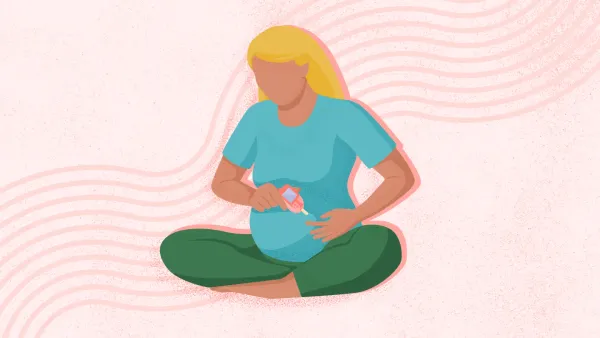
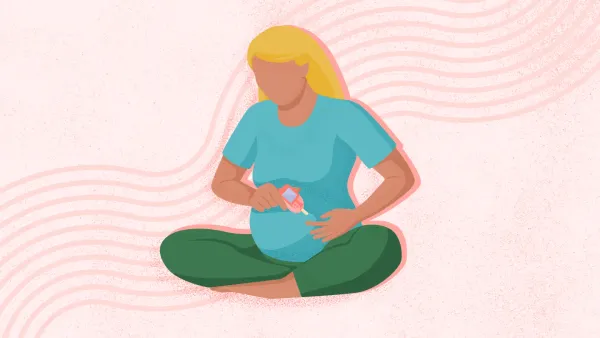
Frequent monitoring of your blood sugar is an essential component of managing gestational diabetes. Your healthcare provider may recommend checking your levels several times a day to ensure they remain stable. If diet and exercise alone do not effectively control your blood sugar, your doctor may suggest insulin therapy or other medications. It’s important to discuss these options with your healthcare provider, as they can help tailor a plan that suits your specific needs.
What happens after the baby is born?
Having gestational diabetes does not necessarily mean that you will have diabetes after pregnancy. However, it does increase the risk of developing type 2 diabetes later in life. Therefore, maintaining a healthy lifestyle post-pregnancy is crucial. Follow up with your healthcare provider regularly to monitor your blood sugar levels and overall health.
By taking proactive steps during your pregnancy, you can help ensure the best outcomes for both you and your baby's health!